
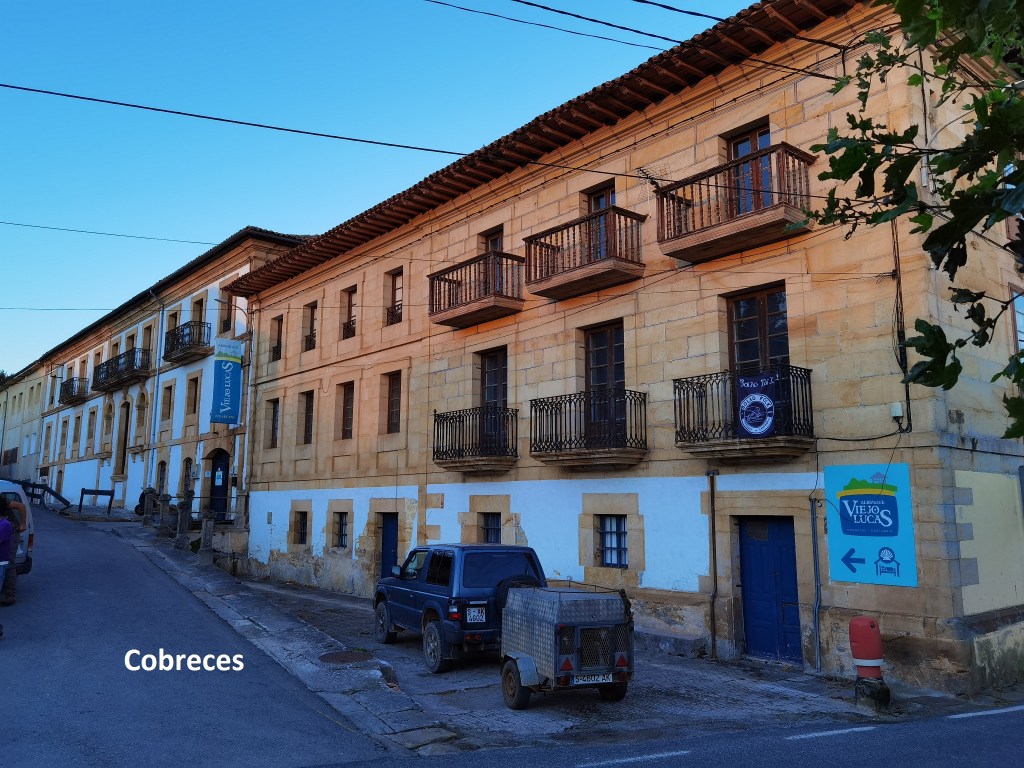
I stayed in Cobreces last night. According to the guide book, there should be three albergues in Cobreces, but in practice there is only one, the Viejo Lucas. One of the others was in the local monastery, and I had hoped to stay there last night, but the proprietor at Viejo Lucas explained that there are so few monks, and those that are there are so old, that they have stopped operating an albergue. The third one was privately run, but apparently with reduced numbers of people on the Camino, the owner decided that it wasn’t worth opening. So now, there is just Viejo Lucas. It is capable of accommodating over 100 people, but there were just 12 people there last night.
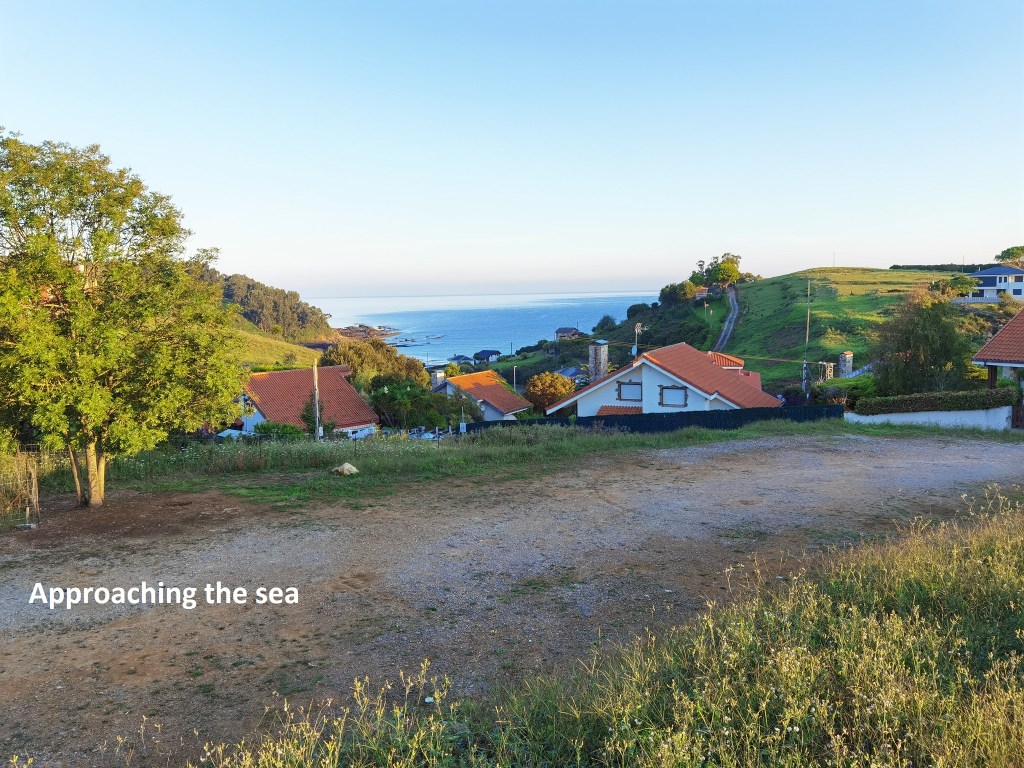
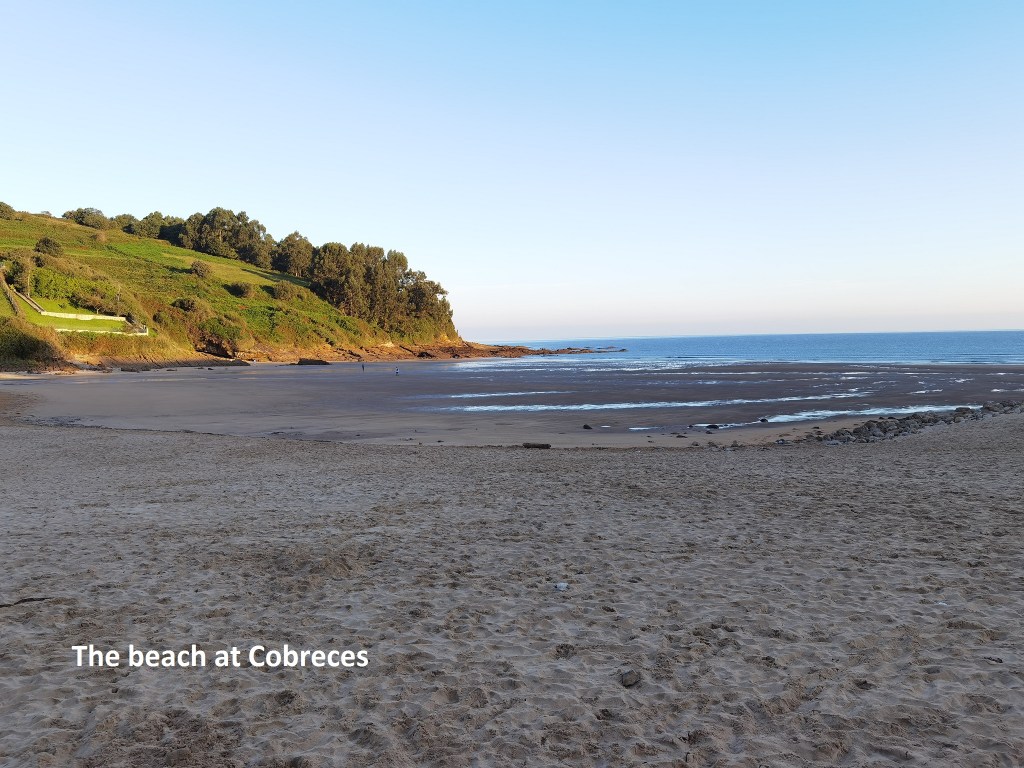
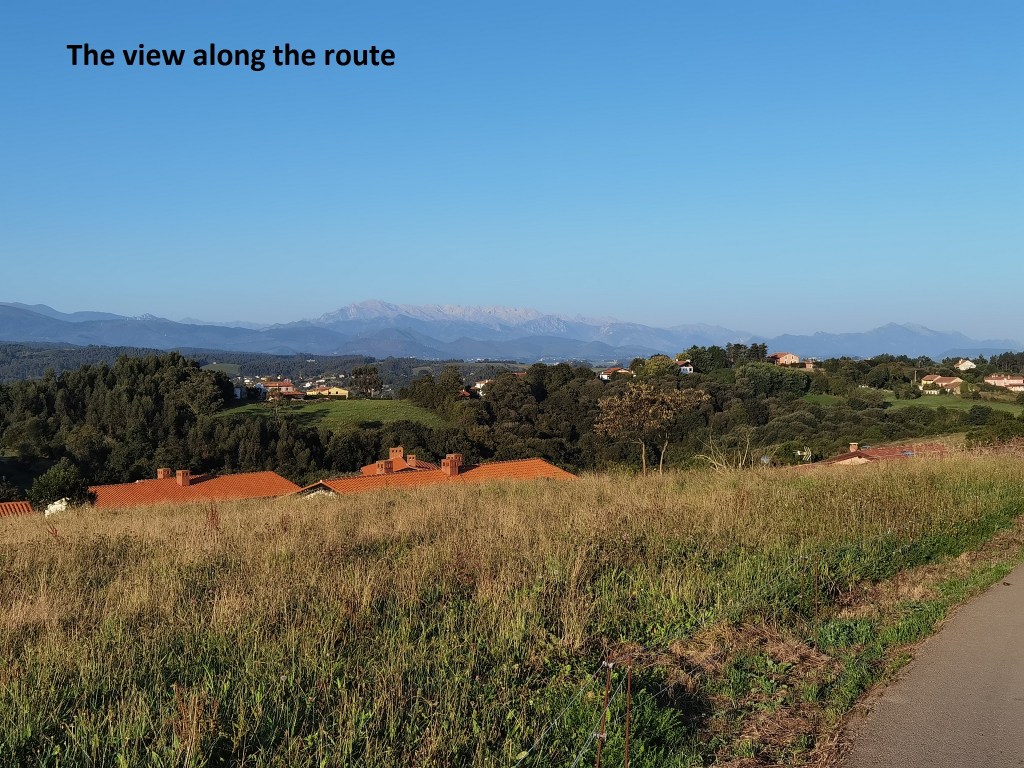
I was on the trail at 08:00, heading out of the village. The trail heads north, all the way to the local beach, before turning east and going back onto high ground. And on that high ground, the mountains to the west came into view. These are the Picos de Europa, a rugged chain of mountains just inland from the coast.
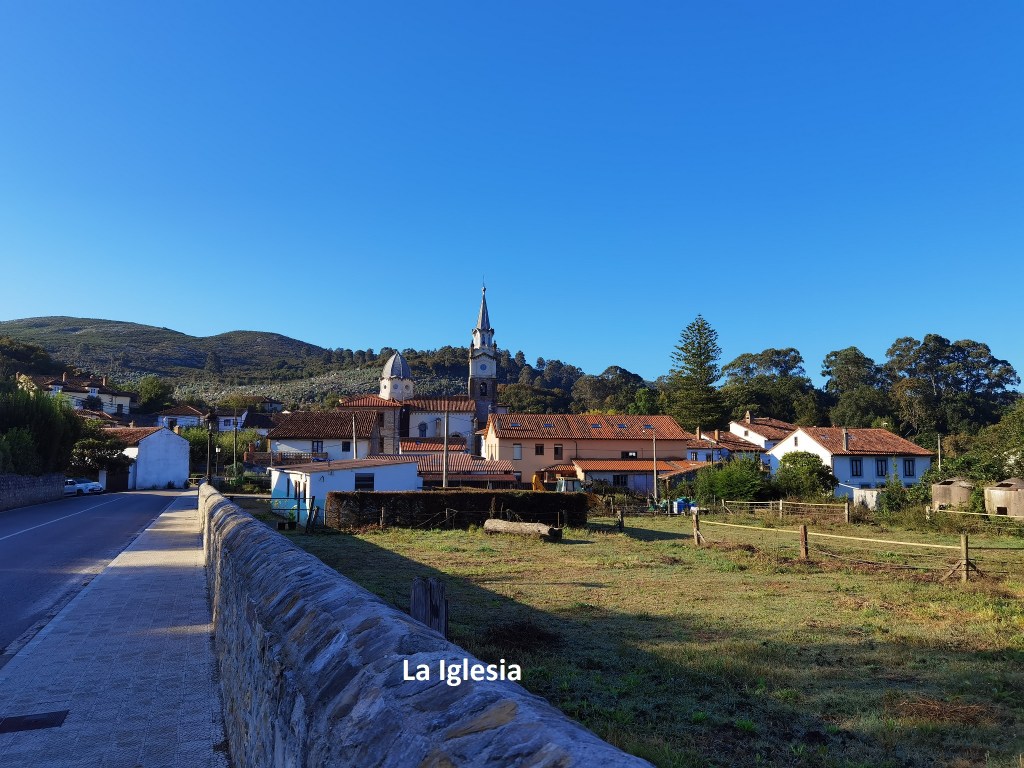
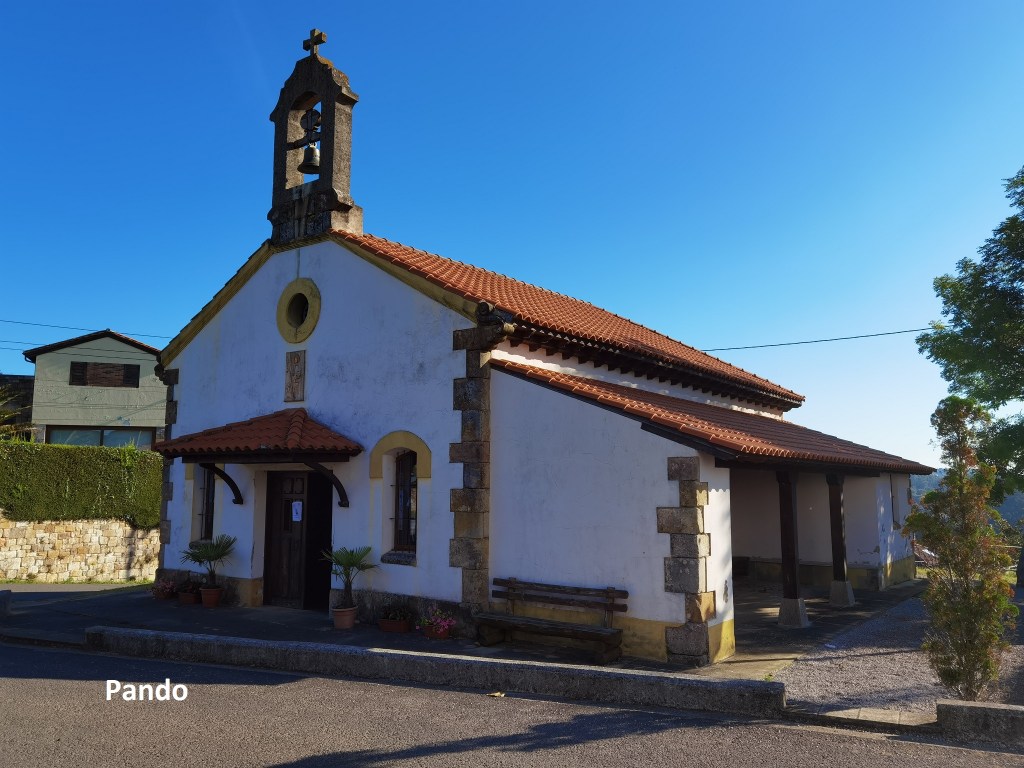
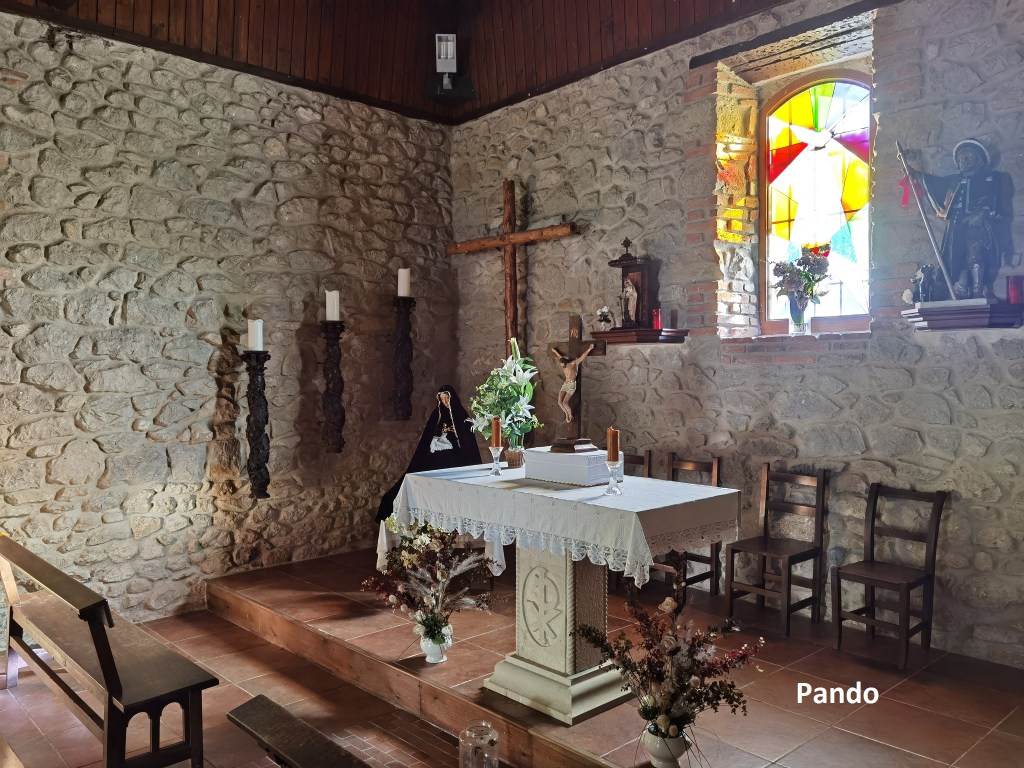
The next village was La Iglesia, and coming towards the village, I could see that it is dominated by its church. Unfortunately, like so many others along the route, the church was closed. I had more luck at the next village, Pando. The church there is smaller but was open. It is not as ancient or as grand in size as the one at La Iglesia, but it is tastefully decorated inside.
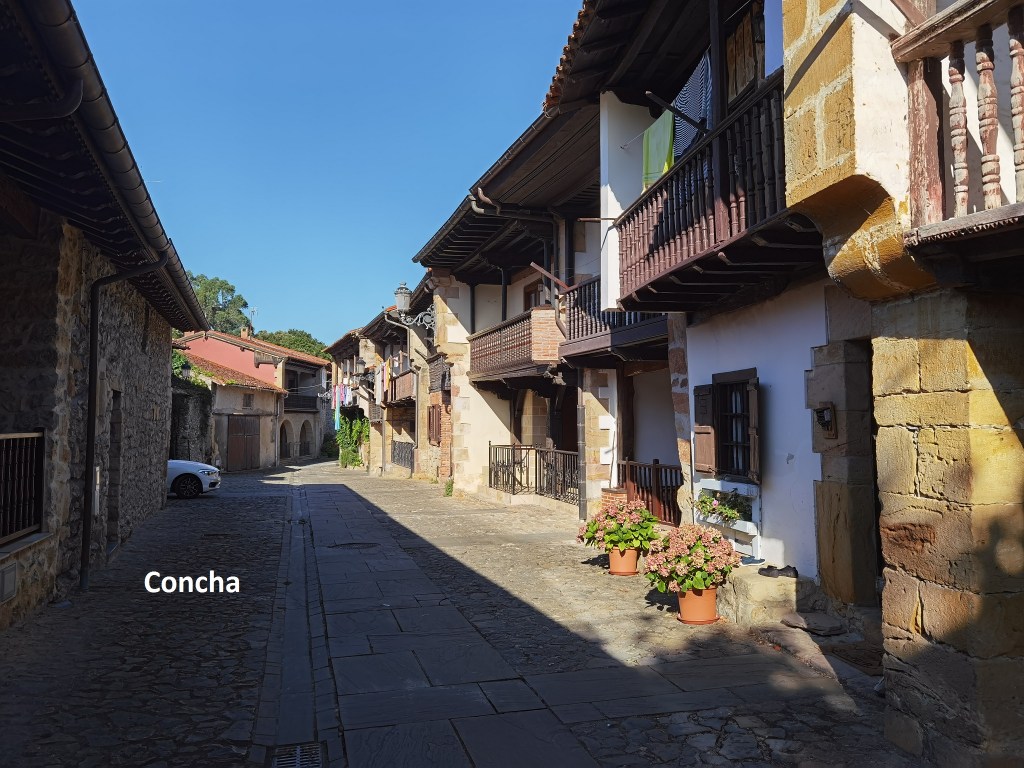
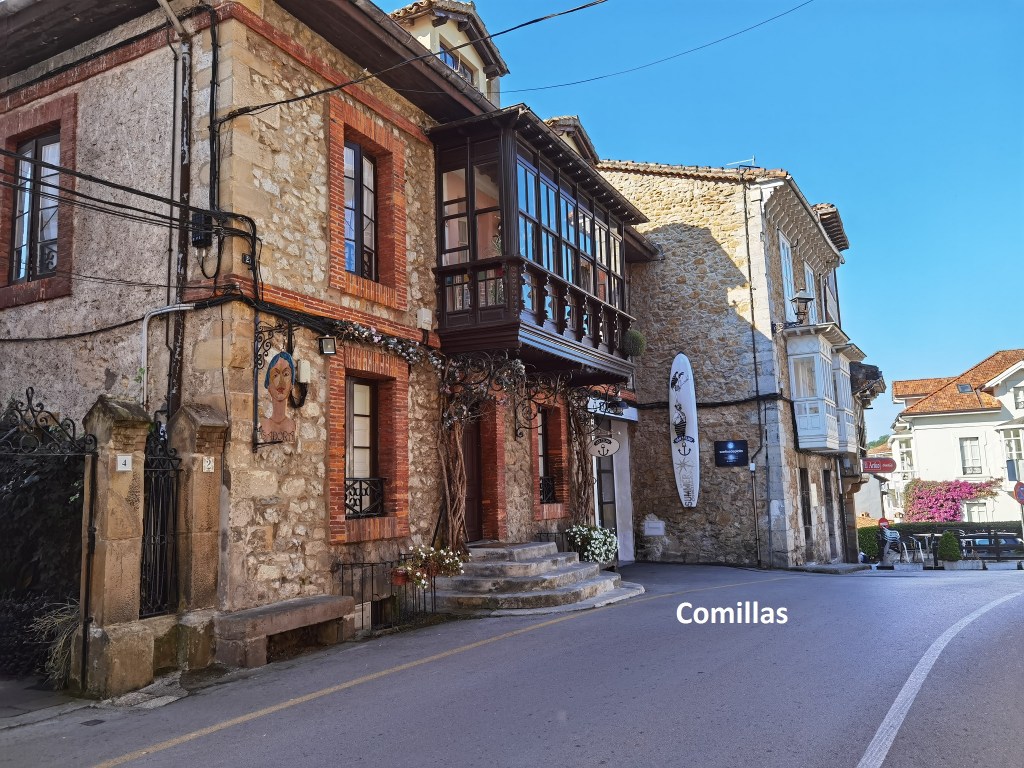
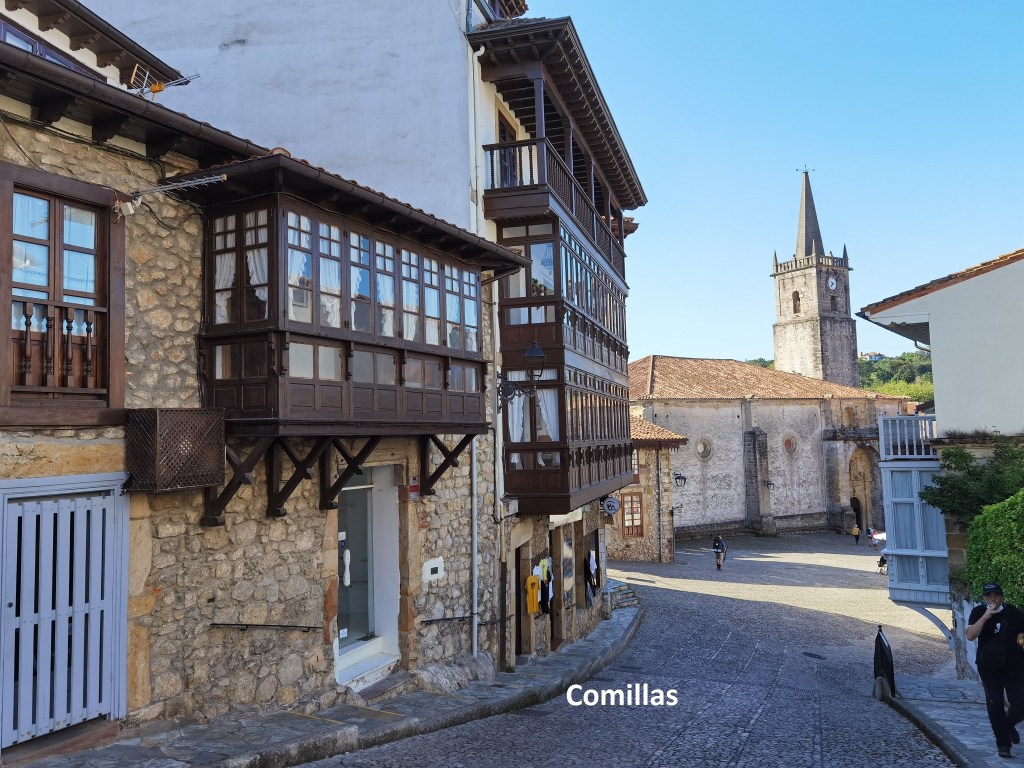

Soon after Pando, I came to Concha. This is a tiny village, originally it looks like it was just two rows of houses, but they are quite picturesque and well maintained. And then it was straight on to Comillas. Comillas is a relatively large town, with open squares, and small streets. And here, probably because of the size of the town, and the fact that it was Sunday, the church was open.
I took some time in Comillas to be a tourist. The town holds a little gem called the Capricho de Gaudi, or Gaudi’s Caprice. It is one of those things that in today’s cancel culture, some might rail against it, but it deserves to be preserved. One might ask how Gaudi, most of whose work is in Barcelona, came to do work in a small town on the north coast. In fact, during the second half of the 19th century, the elite of Barcelona used to go to Comillas to avoid the heat of summer. One of those elites was a man called Maximo Diaz de Quijano. Maximo made his fortune as the lawyer for the Marquis de Comillas, who in turn made fortunes through various trades in the Spanish colonies, trades such as tobacco and sugar, but also slaves. And that is the dark side to this place. In any case, Maximo commissioned the young Barcelona architect Gaudi to design and build his house in Comillas. It took two years to build, from 1883 to 1885. At first glance, it seems to embody all the quirkiness that Gaudi is famed for, but it is in fact a design masterpiece, brilliant for its time.
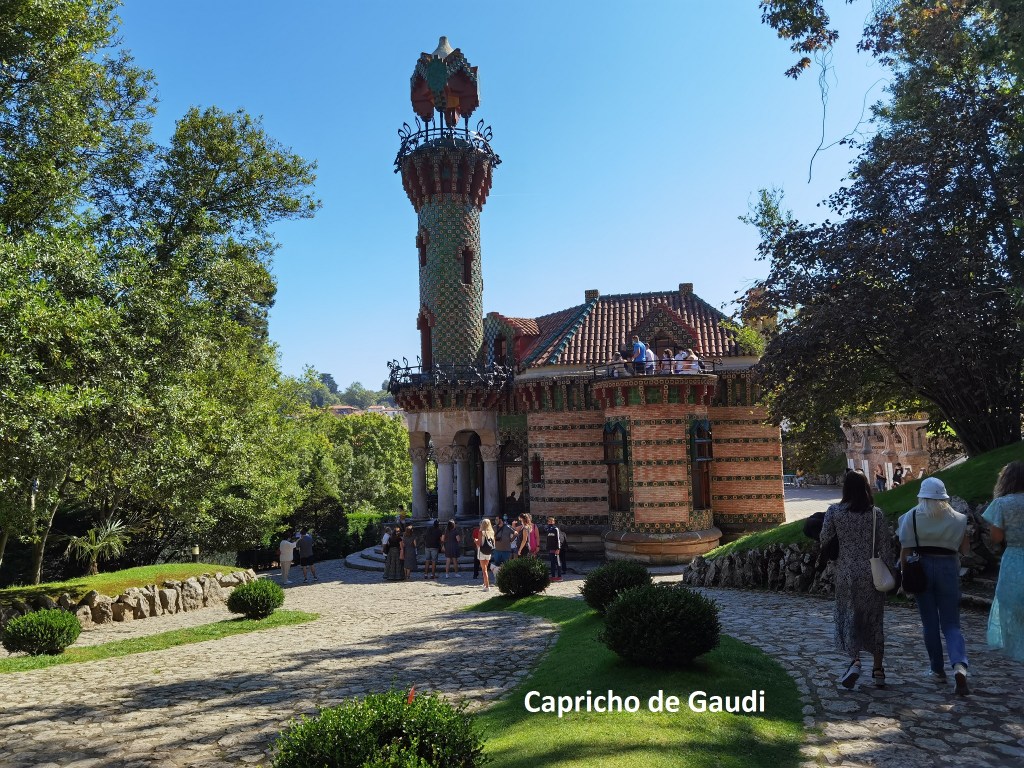
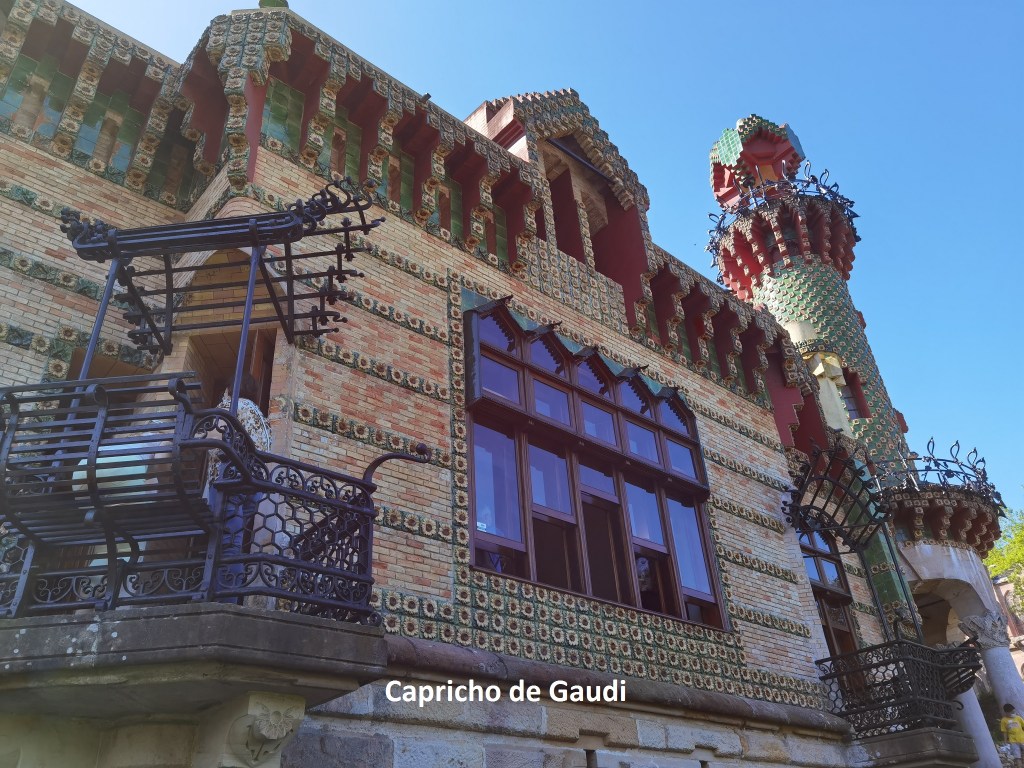
Ironically, Maximo only lived in the house for a week before dying suddenly from cirrhosis of the heart. The house passed through various hands and is now run by a trust. I recommend that if anywhere within 100 miles of Comillas, take the time to visit.
After Comillas, the route heads almost sue west for about 2km. It crosses the Rio de la Rabia and Rio Capitan rivers before going to the high ground west of the Playa de Rabia. The tide was out when crossing both rivers, exposing the mud flats, but I expect these estuaries present a good expanse of water at high tide.
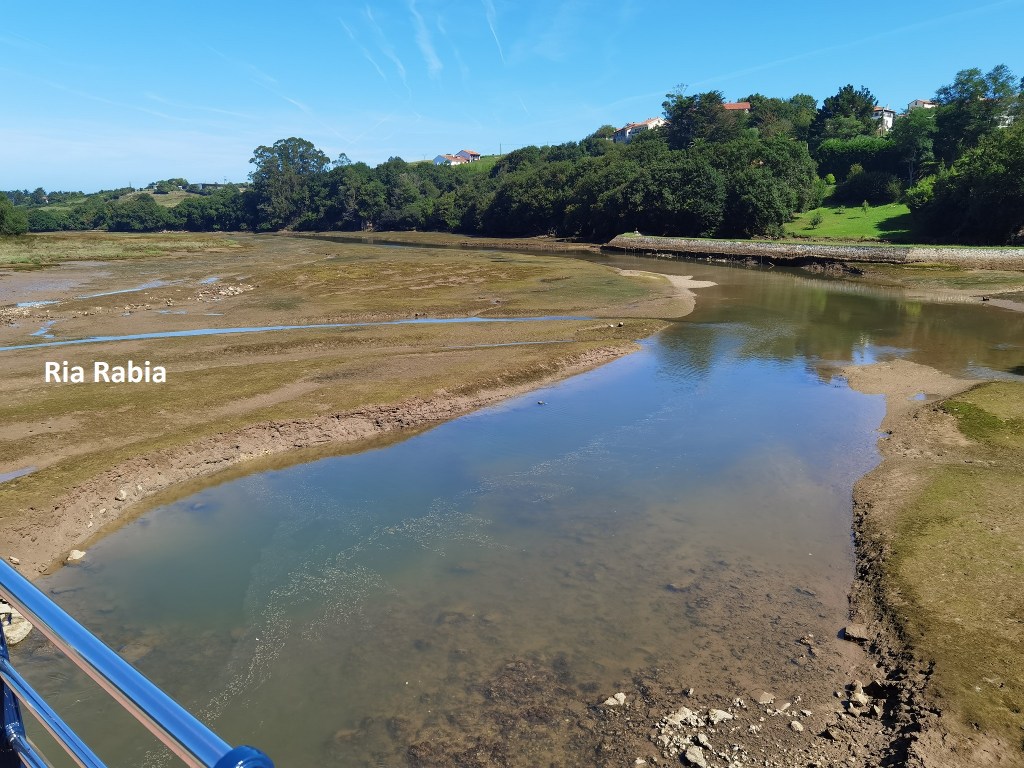
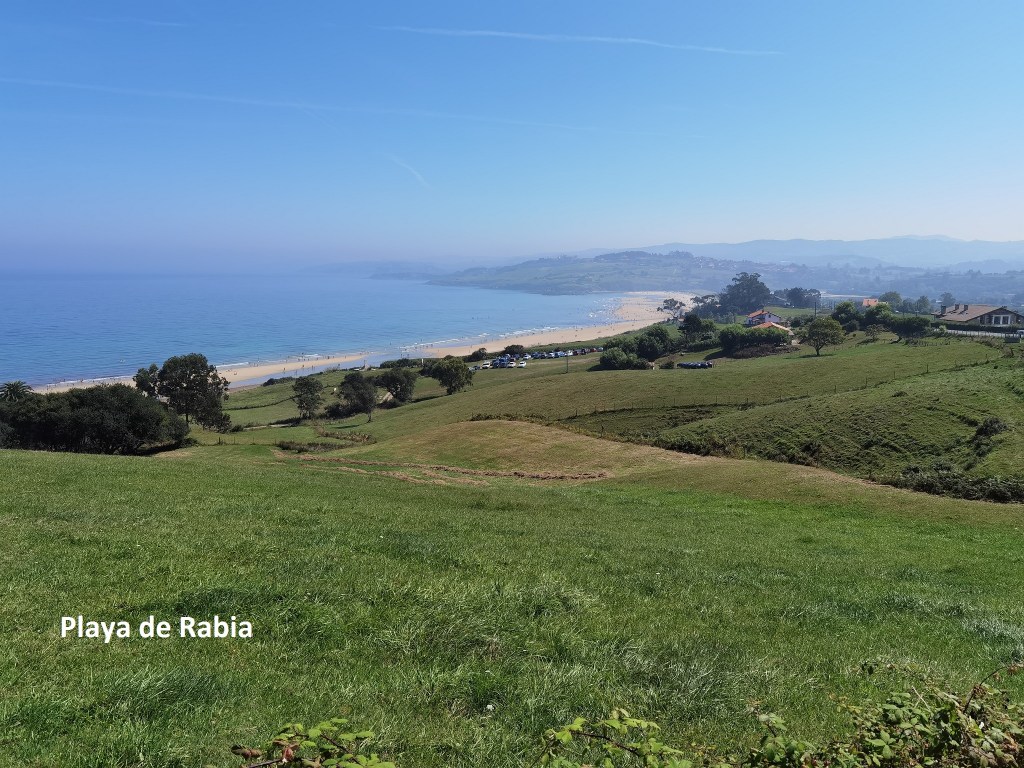
I stopped at Gerra for lunch, and then it was downhill for the last stretch to San Vicente. Today, San Vicente is a fishing port and holiday village, though in the middle ages it was an important centre of business. Over the centuries, it has been ravaged by fires, and in the 15th century, the expulsion of the Jews led to its demise as a commercial hub. The main remnant of past glory is the fort, now a ruin echoing the town’s decline.

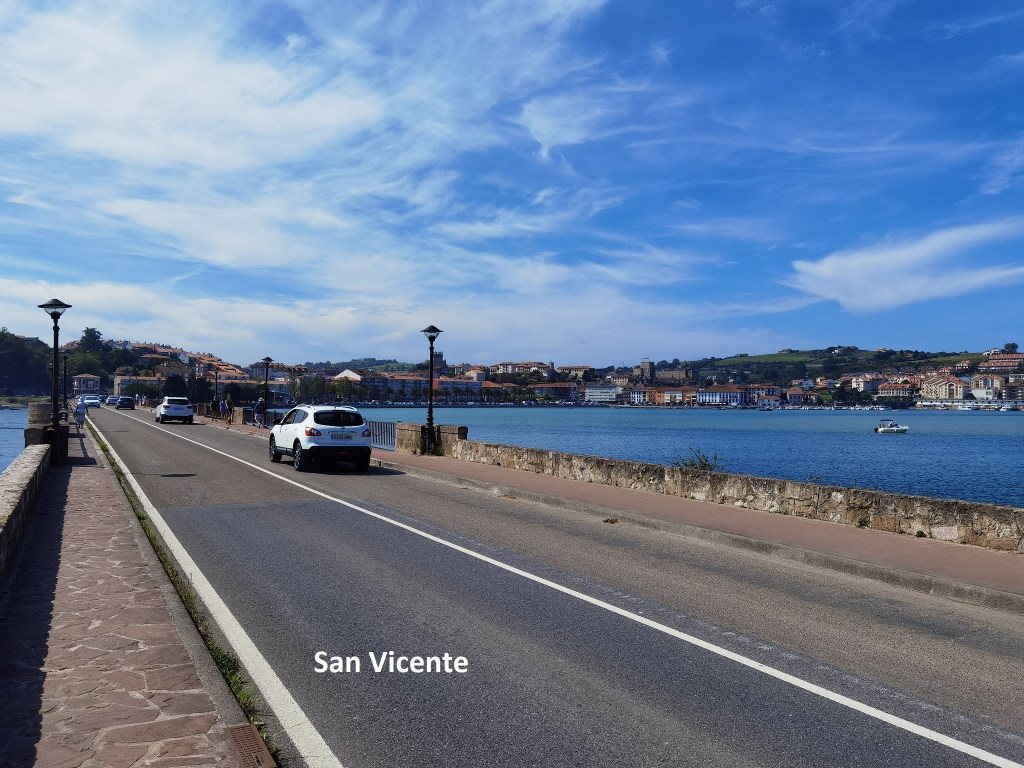
With nothing else to recommend it, I did not stop in San Vicente, but went straight on to the little pension where I am staying tonight.
And finally, my step count for the day is, so far, 37,695.


